A palace shaped by cultures
Courtyards, tiles, carved plaster, and evolving wings reflect rule changes and aesthetic blending across eras.
Table of Contents
Fortress foundations & Islamic origins
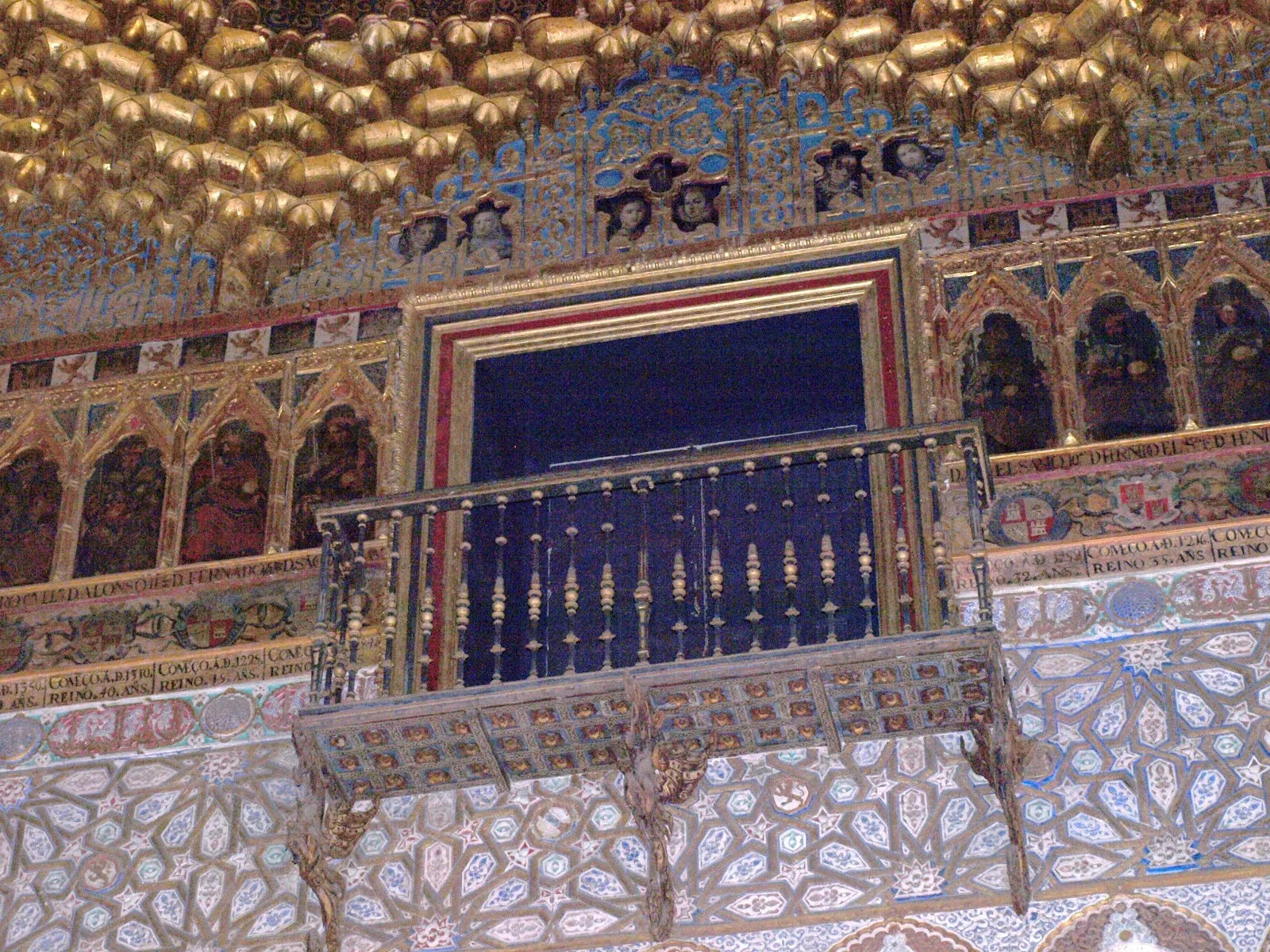
Initial defensive complex under Islamic rule anchored authority near the Guadalquivir, leveraging trade flows and fertile hinterlands.
Walls, watchtowers, and early courtyards set functional patterns later ornamented with refined aesthetic programs.
Christian conquest & Mudéjar synthesis
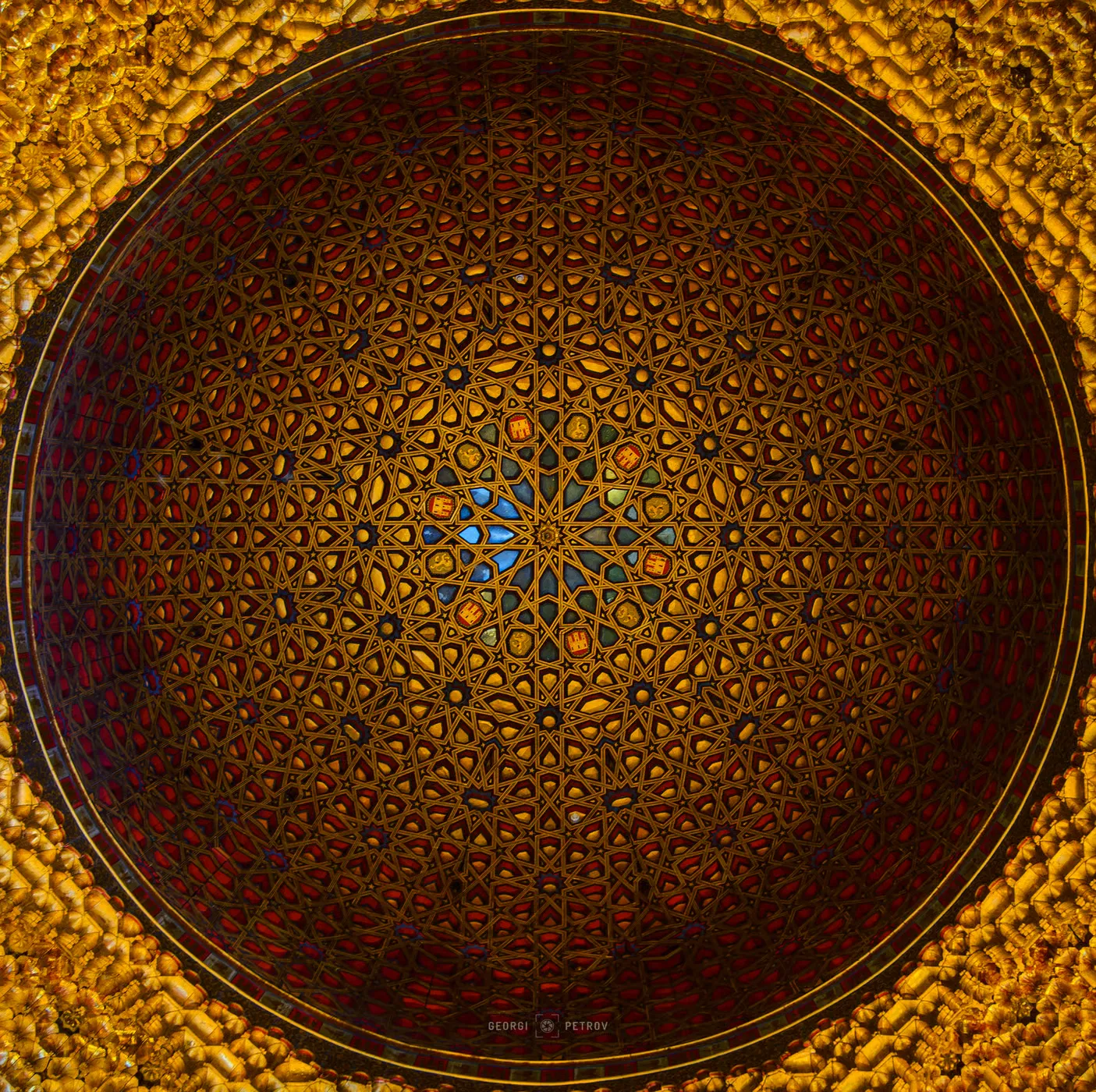
Post‑conquest rulers embraced Mudéjar artistry—blending Islamic decorative vocabularies with Christian royal symbolism.
Stucco filigree, calligraphic bands, wooden artesonado ceilings, and polychrome tiles conveyed prestige and continuity.
Palatial patios & ceremonial halls
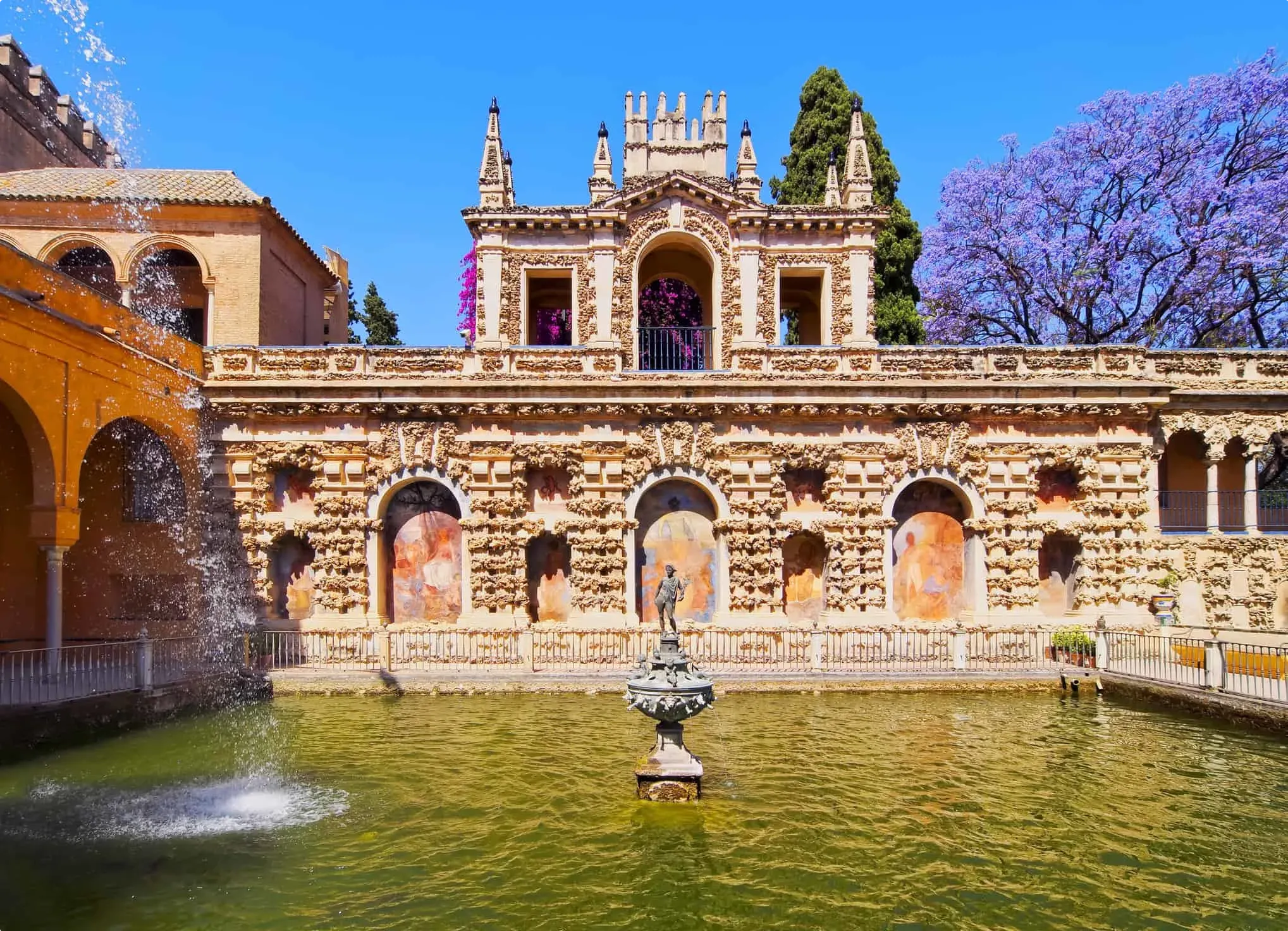
Courtyards mediate light, air, and social staging—water surfaces, orange trees, and patterned pavements create contemplative rhythm.
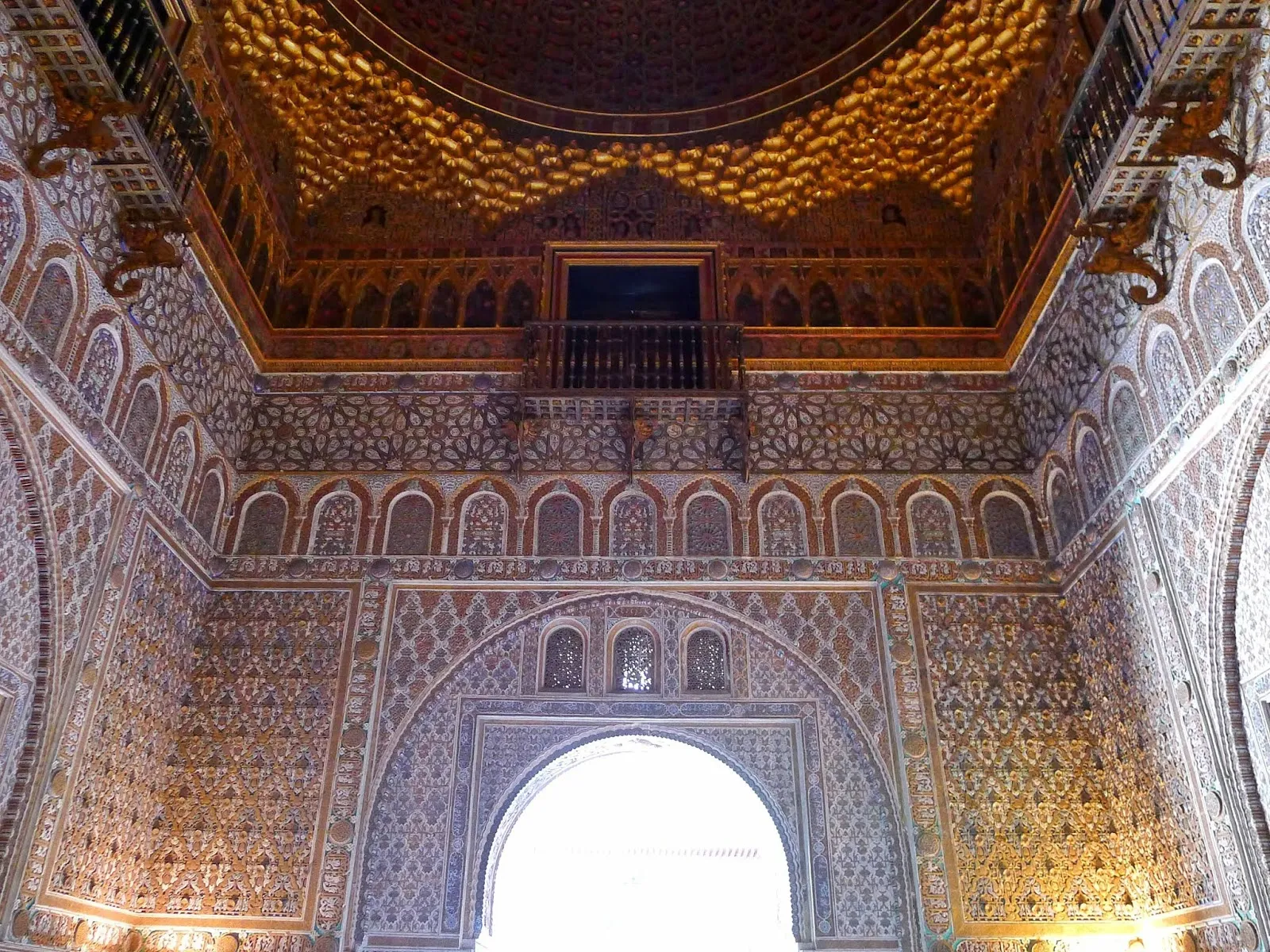
Formal halls like the Ambassadors Chamber asserted dynastic legitimacy through scale, gilding, and geometric harmony.
Gothic and Renaissance interventions
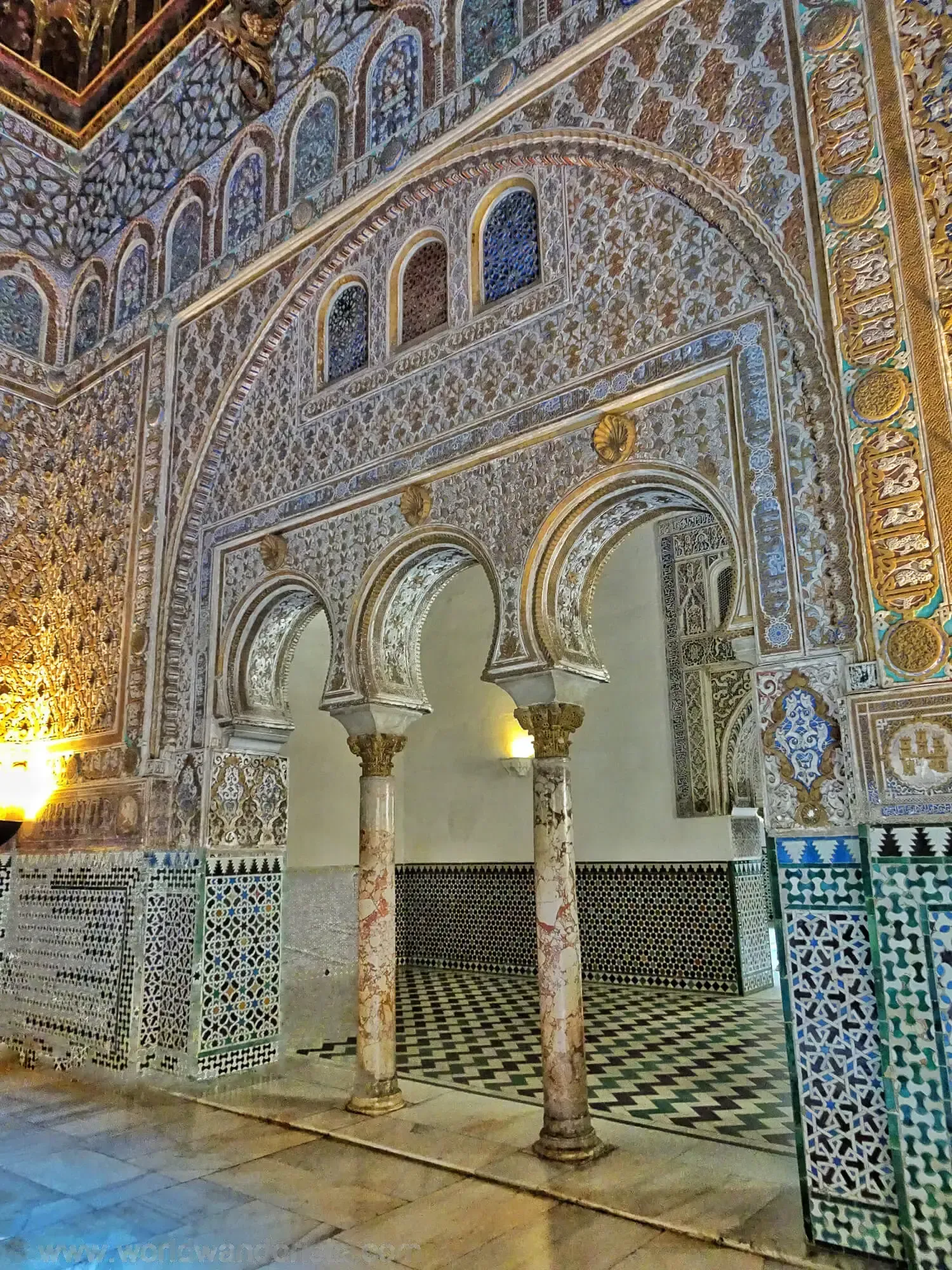
Subsequent monarchs layered Gothic vaulting and Renaissance symmetry—adding chapels, galleries, and garden restructuring.
Architectural dialogue shows adaptive reuse rather than wholesale replacement—preserving earlier Mudéjar brilliance.
Courtly life: protocol & leisure
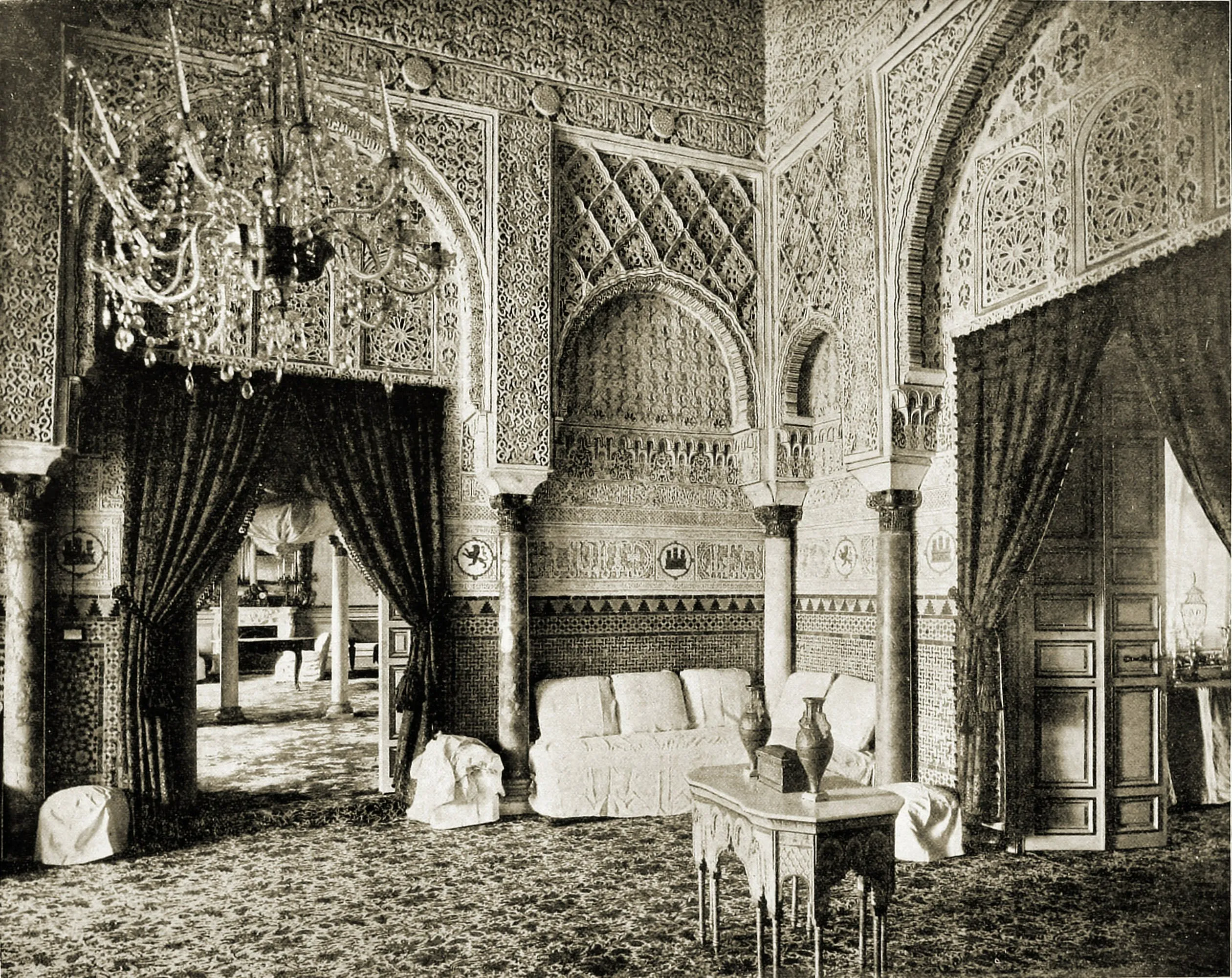
Ceremonial receptions, diplomatic audiences, and festive banquets animated the palace under shifting dynasties.
Gardens offered contemplative walks, hunting avian life, and water music—balancing formality with relaxation.
Craft techniques & artisanship
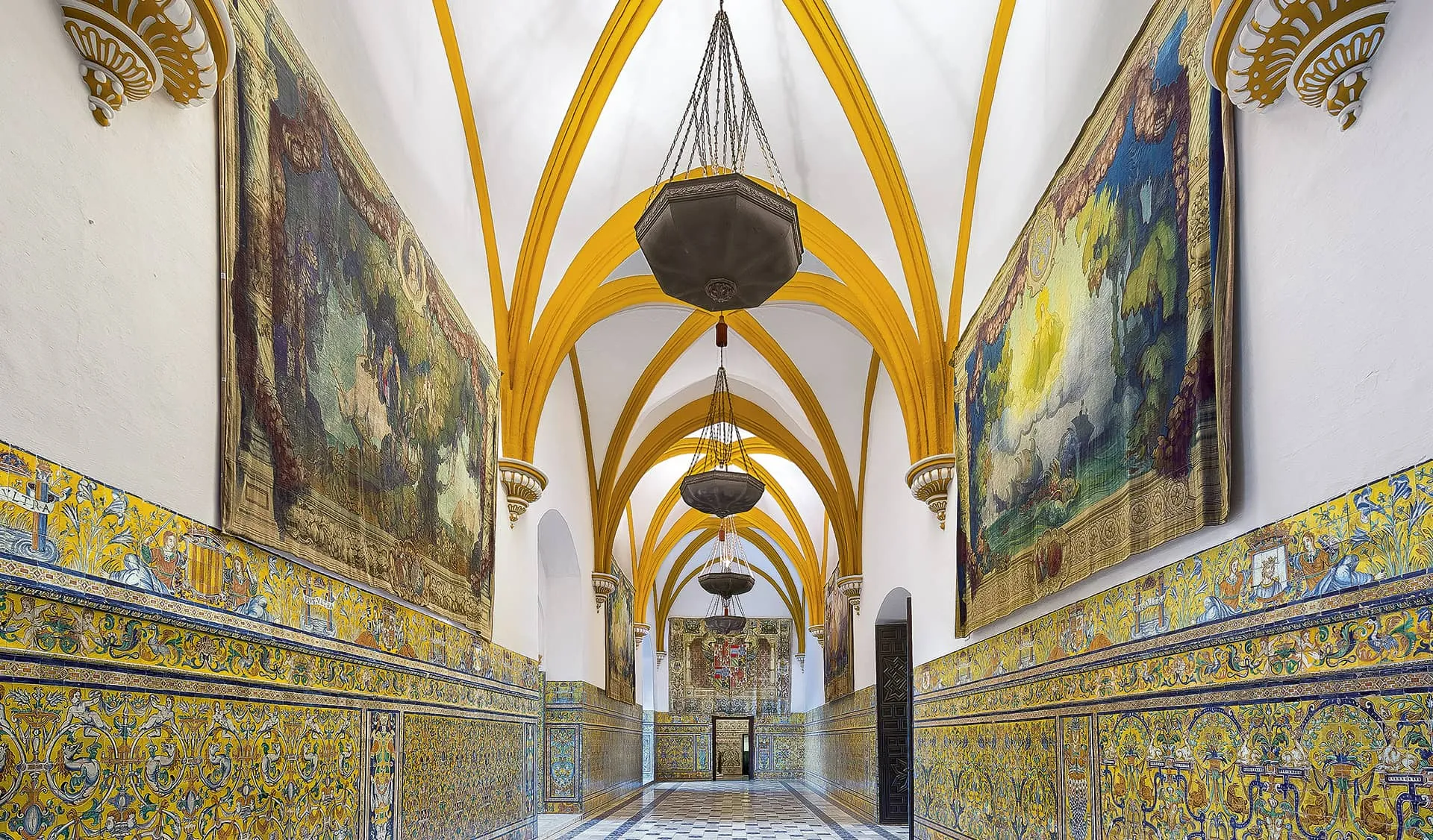
Tile kilns, stucco carving, wood joinery, and gilding all required specialized workshop collaboration and iterative pattern planning.
Craft continuity preserved design vocabulary—restoration teams now analyze pigments and tool marks to guide repairs.
Accessibility & visitor comfort
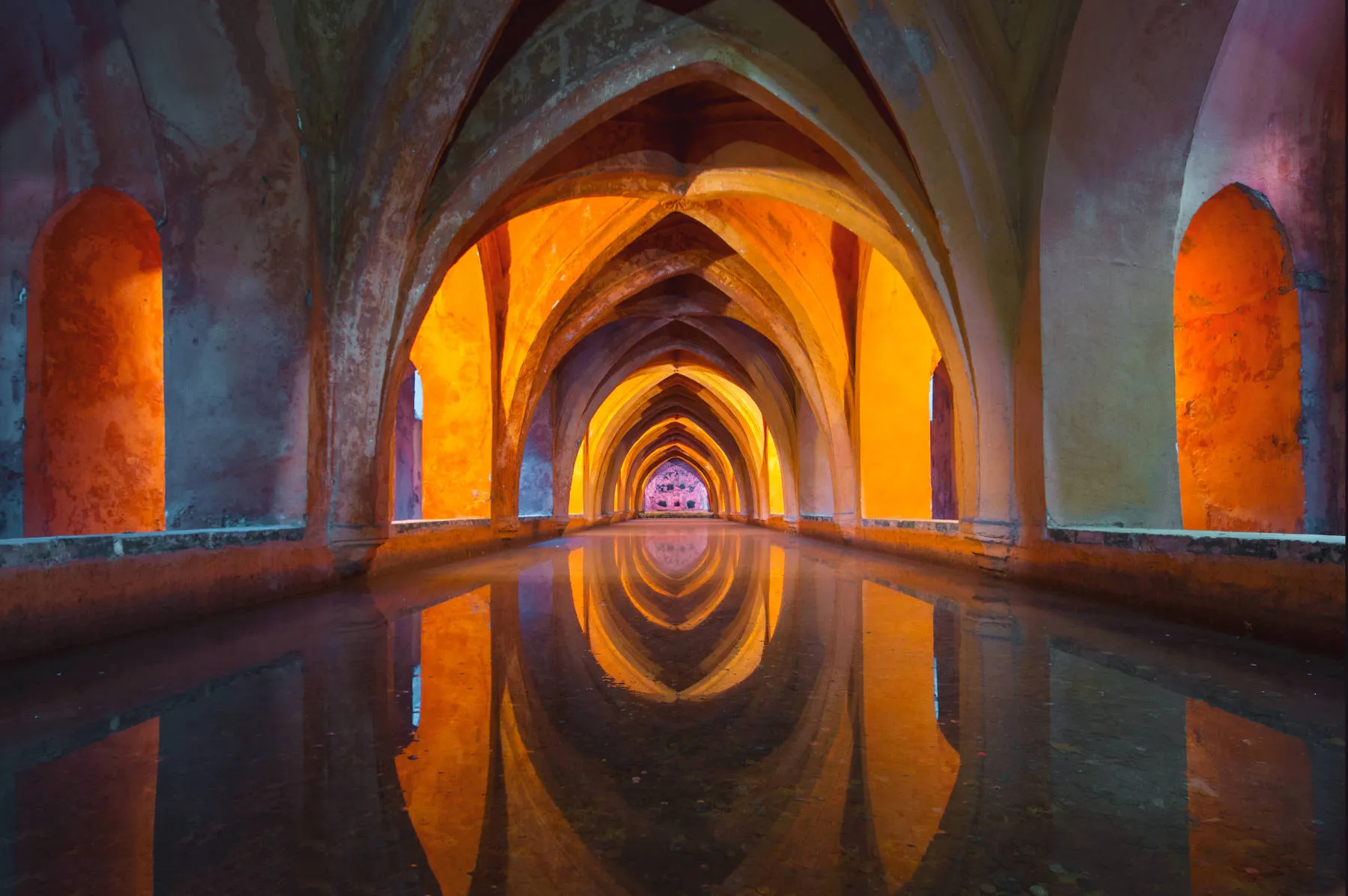
Improved surface transitions facilitate movement—official resources outline accessible patio routes and adapted facilities.
Hydration and shade key in warm months—gardens and arcades supply cooler microclimates.
Conservation & sustainable stewardship
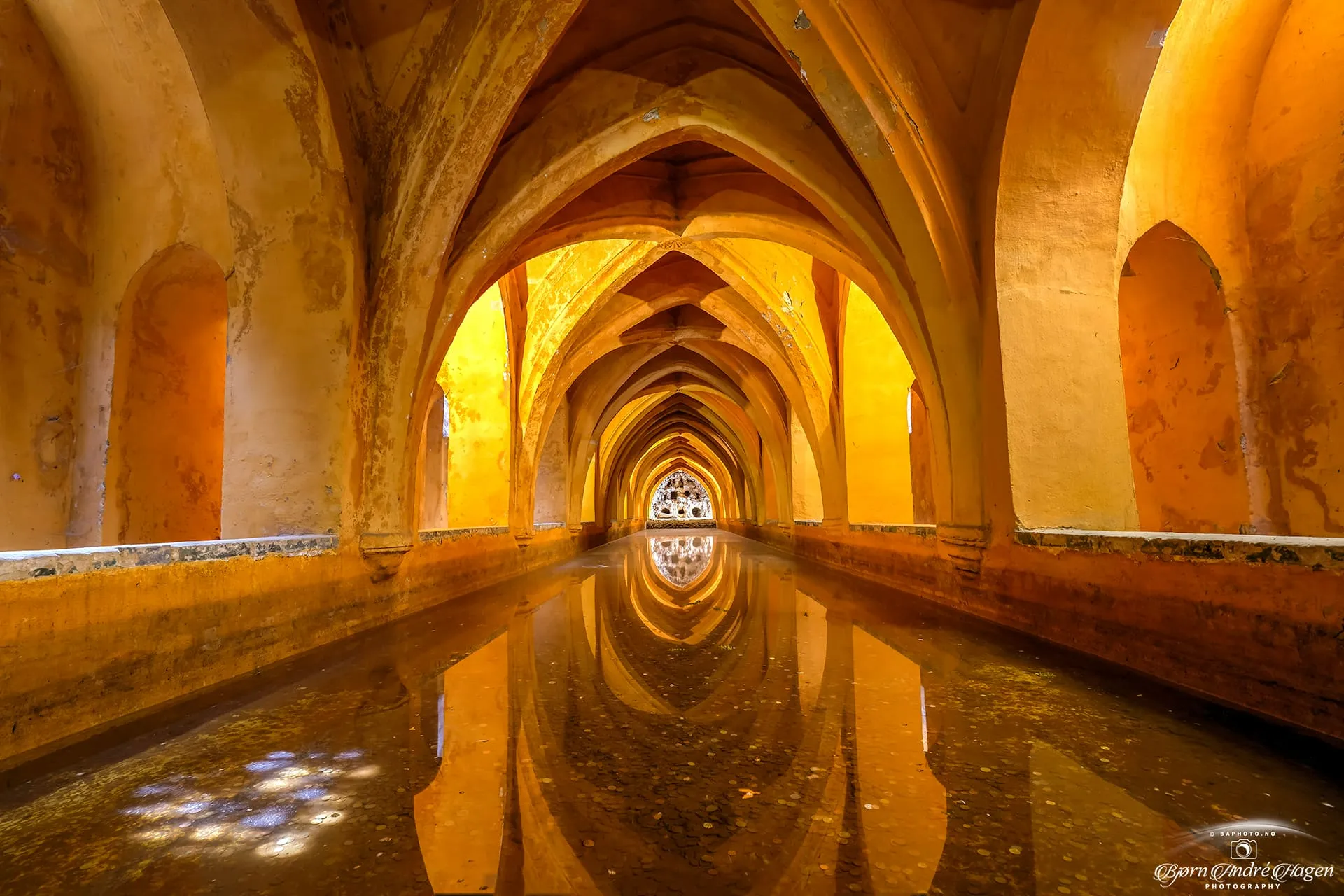
Preventive maintenance tackles moisture, salt efflorescence, and biological growth—balancing visitor access with long‑term preservation.
Environmental monitoring informs garden irrigation and material protection strategies.
Global imagery & screen portrayals
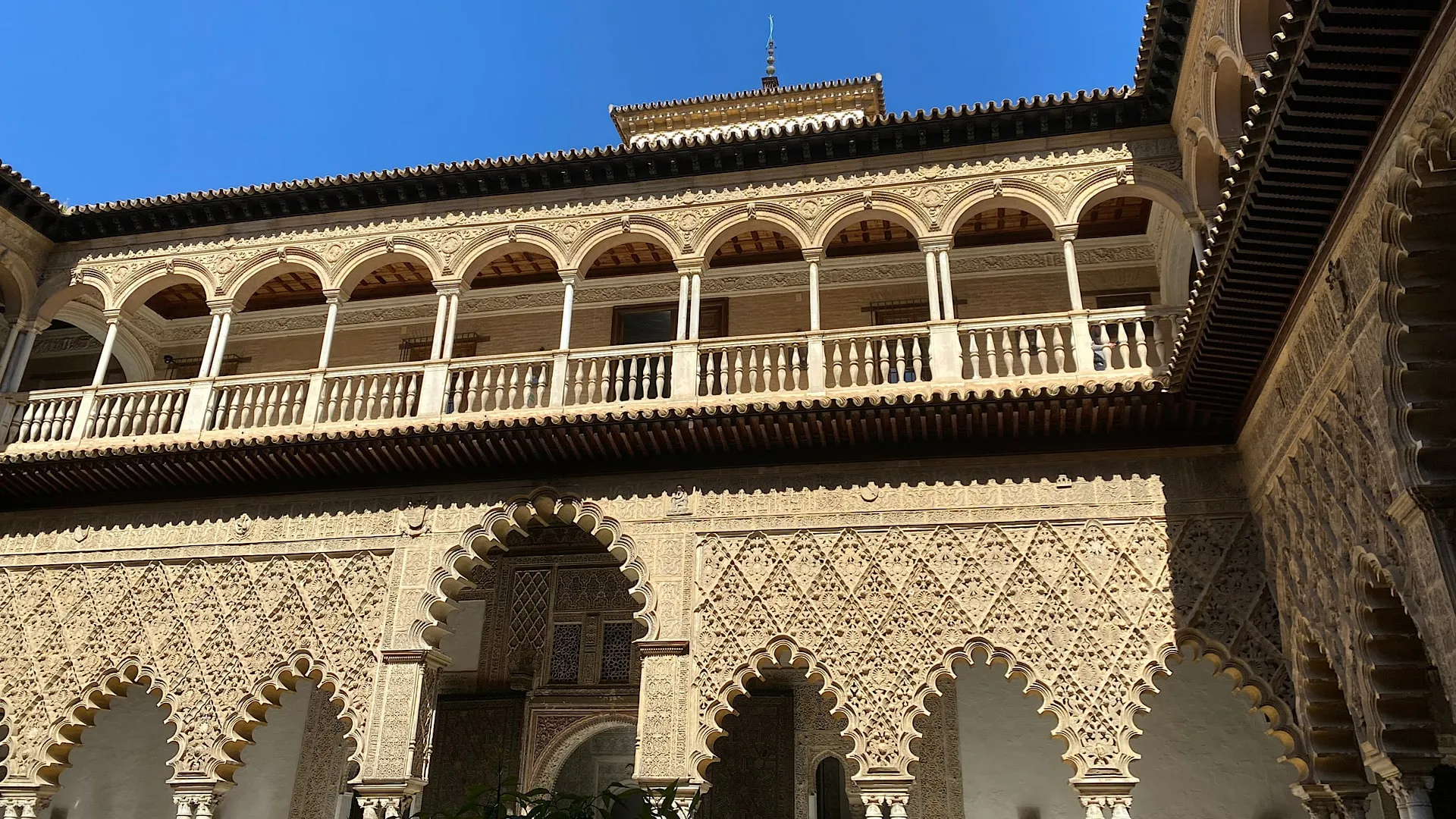
Filming (notably fantasy series) amplified global awareness—visual richness suits cinematic depictions of courts and realms.
Photography and media highlight interplay of light, water, and geometric ornament, reinforcing its emblematic status.
Route planning with historical context
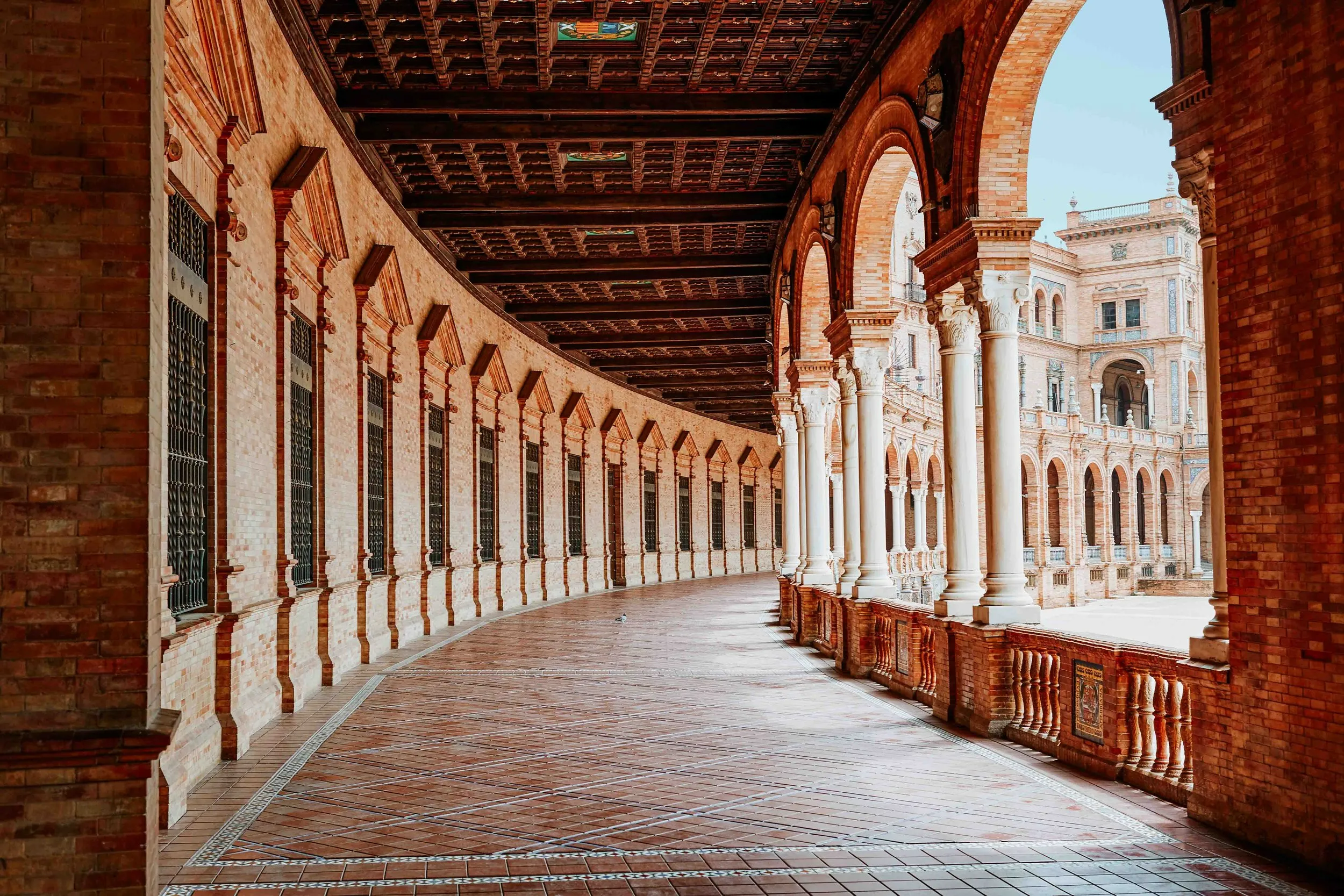
Sequence patios by era—Mudéjar core first, then Gothic overlays, finishing in Renaissance gardens for reflective unwinding.
Notice material shifts: tile glazing differences, wood carving motifs, and ceiling geometries mapping stylistic transitions.
Seville’s urban fabric & trade
River proximity fostered commerce—palace wealth reflects navigational links, agricultural hinterlands, and artisanal networks.
Urban layering around the Alcázar demonstrates adaptive reuse of space and evolving civic focal points.
Nearby complementary sites
Seville Cathedral & Giralda tower, Archivo de Indias, Barrio Santa Cruz, and Casa de Pilatos enrich architectural context.
A multi‑site itinerary contrasts religious scale, bureaucratic history, domestic patios, and royal ceremonial spaces.
Enduring legacy of the Alcázar
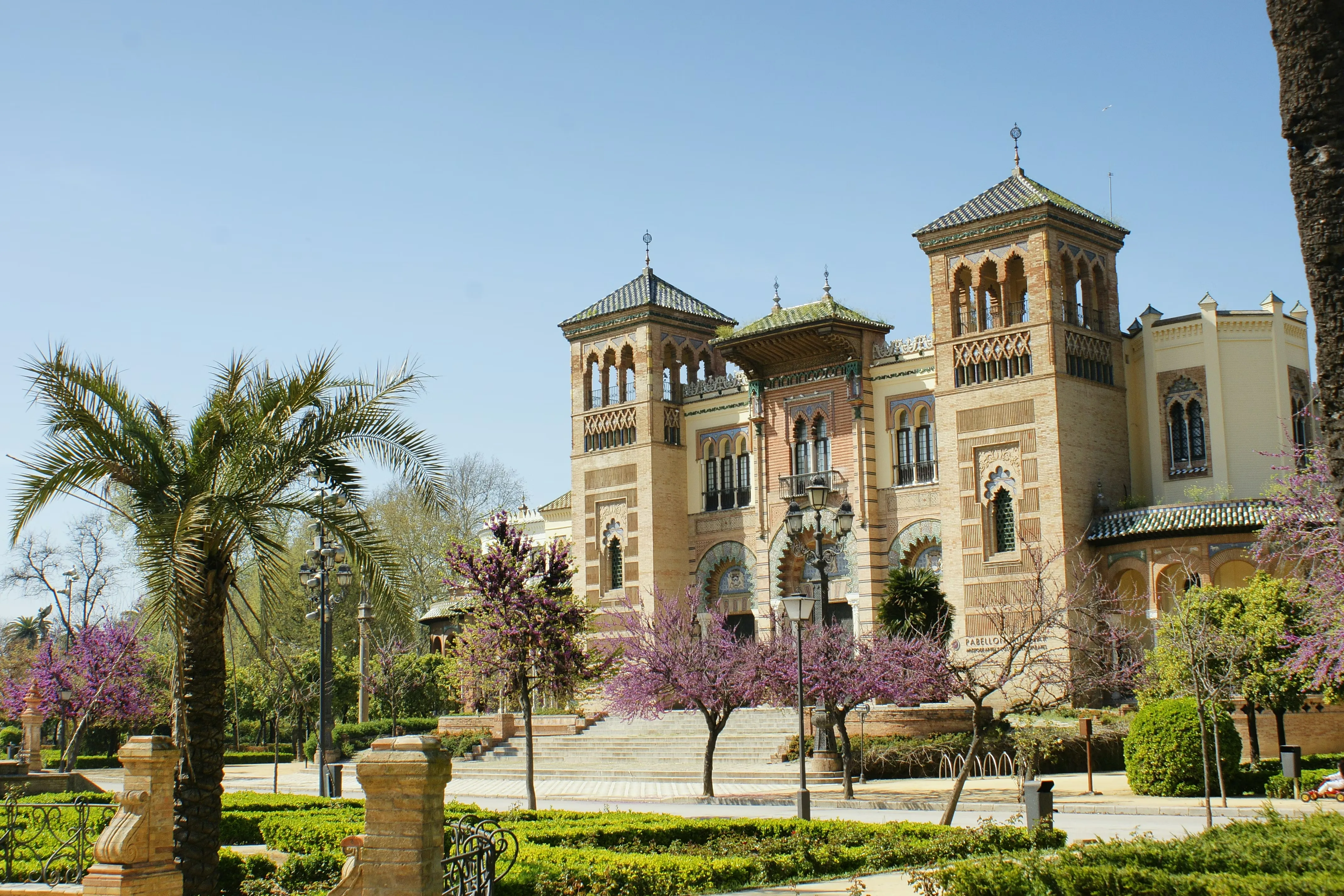
The Alcázar embodies cultural layering—art forms negotiating identity, power, and aesthetic continuity across centuries.
Ongoing study refines appreciation of hybrid artistry informing modern conservation ethics and heritage storytelling.
Table of Contents
Fortress foundations & Islamic origins
Initial defensive complex under Islamic rule anchored authority near the Guadalquivir, leveraging trade flows and fertile hinterlands.
Walls, watchtowers, and early courtyards set functional patterns later ornamented with refined aesthetic programs.
Christian conquest & Mudéjar synthesis
Post‑conquest rulers embraced Mudéjar artistry—blending Islamic decorative vocabularies with Christian royal symbolism.
Stucco filigree, calligraphic bands, wooden artesonado ceilings, and polychrome tiles conveyed prestige and continuity.
Palatial patios & ceremonial halls
Courtyards mediate light, air, and social staging—water surfaces, orange trees, and patterned pavements create contemplative rhythm.
Formal halls like the Ambassadors Chamber asserted dynastic legitimacy through scale, gilding, and geometric harmony.
Gothic and Renaissance interventions
Subsequent monarchs layered Gothic vaulting and Renaissance symmetry—adding chapels, galleries, and garden restructuring.
Architectural dialogue shows adaptive reuse rather than wholesale replacement—preserving earlier Mudéjar brilliance.
Courtly life: protocol & leisure
Ceremonial receptions, diplomatic audiences, and festive banquets animated the palace under shifting dynasties.
Gardens offered contemplative walks, hunting avian life, and water music—balancing formality with relaxation.
Craft techniques & artisanship
Tile kilns, stucco carving, wood joinery, and gilding all required specialized workshop collaboration and iterative pattern planning.
Craft continuity preserved design vocabulary—restoration teams now analyze pigments and tool marks to guide repairs.
Accessibility & visitor comfort
Improved surface transitions facilitate movement—official resources outline accessible patio routes and adapted facilities.
Hydration and shade key in warm months—gardens and arcades supply cooler microclimates.
Conservation & sustainable stewardship
Preventive maintenance tackles moisture, salt efflorescence, and biological growth—balancing visitor access with long‑term preservation.
Environmental monitoring informs garden irrigation and material protection strategies.
Global imagery & screen portrayals
Filming (notably fantasy series) amplified global awareness—visual richness suits cinematic depictions of courts and realms.
Photography and media highlight interplay of light, water, and geometric ornament, reinforcing its emblematic status.
Route planning with historical context
Sequence patios by era—Mudéjar core first, then Gothic overlays, finishing in Renaissance gardens for reflective unwinding.
Notice material shifts: tile glazing differences, wood carving motifs, and ceiling geometries mapping stylistic transitions.
Seville’s urban fabric & trade
River proximity fostered commerce—palace wealth reflects navigational links, agricultural hinterlands, and artisanal networks.
Urban layering around the Alcázar demonstrates adaptive reuse of space and evolving civic focal points.
Nearby complementary sites
Seville Cathedral & Giralda tower, Archivo de Indias, Barrio Santa Cruz, and Casa de Pilatos enrich architectural context.
A multi‑site itinerary contrasts religious scale, bureaucratic history, domestic patios, and royal ceremonial spaces.
Enduring legacy of the Alcázar
The Alcázar embodies cultural layering—art forms negotiating identity, power, and aesthetic continuity across centuries.
Ongoing study refines appreciation of hybrid artistry informing modern conservation ethics and heritage storytelling.